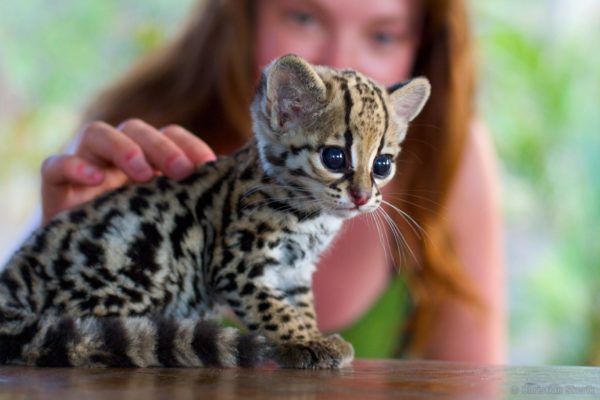
If you are considering whether to buy Ocelot kittens online, it is crucial to understand one thing first: ocelots are wild animals, not domesticated pets. They are medium-sized wildcats native to Central and South America, easily identified by their striking black-spotted tan coats. While their kitten form is undeniably adorable, they grow into powerful, instinct-driven adults that are not suited for a typical home environment.
This guide will explain why owning an ocelot is highly discouraged, the serious legal and ethical concerns involved, and what you should know if you are determined to research this further.
The Critical Distinction: Wild Animal vs. Domestic Pet
Ocelots are not like domestic cats. They are wild animals with strong, ingrained predatory instincts. Unlike a typical housecat, an ocelot’s instinct to hunt is ever-present, and they will hunt regardless of whether they are well-fed. This can put your neighbours’ pets and local wildlife at risk.
The Ethical Concerns
The exotic pet trade is a significant threat to ocelot populations. They are often trafficked for the pet market, a process that frequently involves killing the mother and taking the babies to be sold. While international trade in ocelots is banned, illegal trade persists, and deforestation remains their major threat. The ethical decision is to appreciate these beautiful animals in the wild or in accredited sanctuaries, not as pets.
Legal Status and Prohibitions
Before you attempt to buy Ocelot kittens online, you must check your local and federal laws. Ocelots are federally protected in the United States, and their ownership is banned or heavily restricted in many places.
For example, Washington State explicitly lists ocelots as an animal that is not allowed as a pet. Similarly, Illinois prohibits the sale of ocelots and any hybrids thereof. Given these restrictions and the fact that ocelots are a federally protected species, it is highly likely that buying and owning one is illegal in your jurisdiction.
Care Requirements Are Not Suitable for Home Life
If you were to find a situation where ownership is legal, the care requirements are immense and entirely unsuitable for a family home.
Housing and Enclosure
Ocelots are active and require specialized enclosures. They need a large, structurally complex habitat to thrive. In zoological settings, the minimum recommended enclosure for a cat of this size is 4 x 2 x 2.5 metres (13 x 6.5 x 8 ft), and vertical space with perching platforms is considered essential. This is a far cry from the space available in the average home.
Exercise and Enrichment
These cats have high energy levels and require extensive exercise and mental stimulation. They love to climb, run, and explore, and their playful nature as kittens develops into a powerful urge to hunt. Simple toys are not enough to keep them entertained or from acting on their natural instincts.
Training and Temperament
Ocelots are notoriously difficult to train. Their powerful instincts are not conducive to a family environment, and they are best left to specialists. They are not family-friendly and are not suitable for a home with other pets.
Lifespan
Be prepared for a long-term commitment. An ocelot can live anywhere from 7 to 20 years.
Warning: Scams and Unethical Sellers
Searching for buy Ocelot kittens online will likely lead to classified ads and websites that may seem legitimate. You will find listings claiming to sell ocelot kittens for prices ranging from a few hundred to a couple of thousand dollars. Many of these ads are scams designed to take your money.
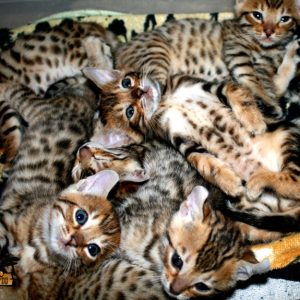
Some sites may advertise “lovely ocelot kittens” for sale, while others claim to offer “top quality kittens” with sweet temperaments. These claims are often false and are a hallmark of unethical or criminal sellers. It is also common to see ocelots advertised alongside other hybrid breeds like Savannahs, which are a separate and distinct type of cat. Be extremely cautious and highly sceptical of any online offer you see.
Why You Should Choose a Domestic Breed Instead
The desire to buy Ocelot kittens online often comes from an appreciation for their wild beauty. If you love the exotic look of an ocelot, there are domestic alternatives that offer a similar striking appearance without the ethical and practical challenges.
The Savannah cat is a more suitable choice for those who are drawn to exotic felines. Savannahs are a domestic breed, recognised by TICA, and come in a range of generations (F1 to F5) that dictates their size and temperament. An F4 or F5 Savannah, for example, behaves much like a tall, athletic, spotted housecat and is a far better fit for family life.