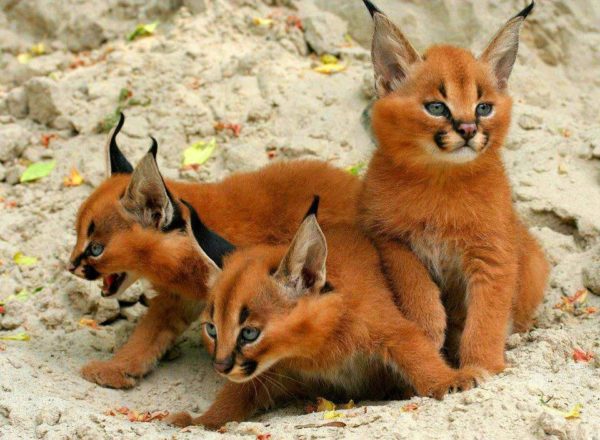
If you are considering whether to buy Caracal kittens online, it is crucial to understand one thing first: caracals are wild animals, not domesticated pets. These striking medium-sized wildcats are native to Africa, the Middle East, and parts of Asia, easily identified by their most distinctive feature – long, black ear tufts that make them one of the most recognizable felines in the world. While their kitten form is undeniably captivating, they grow into powerful, independent predators that are not suited for a typical home environment.
This guide will explain why owning a caracal is highly discouraged, the serious legal and ethical concerns involved, and what you should know if you are determined to research this further.
The Critical Distinction: Wild Animal vs. Domestic Pet
Caracals are not like domestic cats. They are wild animals with strong, ingrained predatory instincts. In the wild, they are solitary and elusive hunters, known for their remarkable stealth and ability to take down prey much larger than themselves. Unlike a typical housecat, a caracal’s instinct to hunt is ever-present, making them unpredictable and potentially dangerous.
The Ethical Concerns
The exotic pet trade poses a significant threat to caracal populations. These animals are sometimes trafficked for the pet market, a process that frequently involves taking kittens from their mothers in the wild. Female caracals typically give birth to two to four kittens after a gestation period of around 70 days, and the kittens remain dependent on their mother for about six months as she teaches them essential hunting skills. Removing them from this natural upbringing is harmful to both the kitten and wild populations. The ethical decision is to appreciate these beautiful animals in the wild or in accredited sanctuaries, not as pets.
Legal Status and Prohibitions
Before you attempt to buy Caracal kittens online, you must check your local and federal laws. In many places, caracals are classified as exotic or dangerous wild animals, and their ownership is banned or heavily restricted.
-
In the United States, many states prohibit private ownership of caracals entirely.
-
Other states require special permits, which are often difficult and expensive to obtain.
-
International trade is strictly regulated under CITES (Convention on International Trade in Endangered Species).
Given these restrictions, it is likely that buying and owning a caracal is illegal in your jurisdiction without the proper permits.
Care Requirements Are Not Suitable for Home Life
If you were to find a situation where ownership is legal, the care requirements are immense and entirely unsuitable for a family home.
Housing and Enclosure
Caracals are active and require enormous, specialised enclosures. They need space to run, climb, and exercise their natural behaviors. A typical home simply cannot provide the environment they need to thrive.
Exercise and Enrichment
These cats have exceptionally high energy levels and require extensive mental and physical stimulation. In the wild, they are stealthy hunters that cover large territories. Without proper enrichment, they become stressed and destructive.
Diet and Feeding
Caracals are carnivores with specific dietary needs. They require a diet of whole prey, including bones and fur, to get the nutrients they need. This is not as simple as feeding commercial cat food.
Training and Temperament
Caracals are wild animals with powerful instincts. They are not easily trained and are not suited for life with children or other pets. Even if raised from a kitten, their wild nature remains.
Lifespan
Be prepared for a long-term commitment. A caracal can live up to 12 to 15 years in captivity, making ownership a significant and lifelong responsibility.
Why You Should Choose a Domestic Breed Instead
The desire to buy Caracal kittens online often comes from an appreciation for their exotic beauty. If you love the look of a wild cat, there are domestic alternatives that offer a similar striking appearance without the ethical and practical challenges.
The Bengal or Savannah cat are more suitable choices for those who are drawn to exotic felines. These are domestic breeds that carry the aesthetic of their wild ancestors but are well-suited to family life. An F4 or F5 Savannah, for example, behaves much like a tall, athletic, spotted housecat and is a far better fit.